Site 28 – Railway Station
The arrival of the railway marked a turning point in the history of Burren Junction, transforming a remote settlement into a thriving centre of transport, trade and community life.
Construction of the railway line from Narrabri West to Burren Junction began in 1902, and by June 1903 goods trains were already operating along the line. The station officially opened for traffic on 9 December 1903, establishing Burren Junction as a key link in the expanding rail network across north-western New South Wales. In April 1940, the name of the siding was simplified to “Burren”, reflecting its established place on the railway network.
From the outset, the railway was central to the town’s development. Branch lines extending to Walgett and Collarenebri brought a steady flow of workers, and during the early years the railway construction crews made up a significant portion of the local population. The station quickly became far more than a transport stop—it became the heart of a growing community.
Steam locomotives required a reliable water supply, and this need drove some of the district’s earliest infrastructure. By 1904 a dam had been constructed to supply water for the engines, a project described at the time as being of “immense benefit” to the railway. Before this, local wells had proved unreliable, highlighting the challenges of establishing the line across the dry black-soil plains.
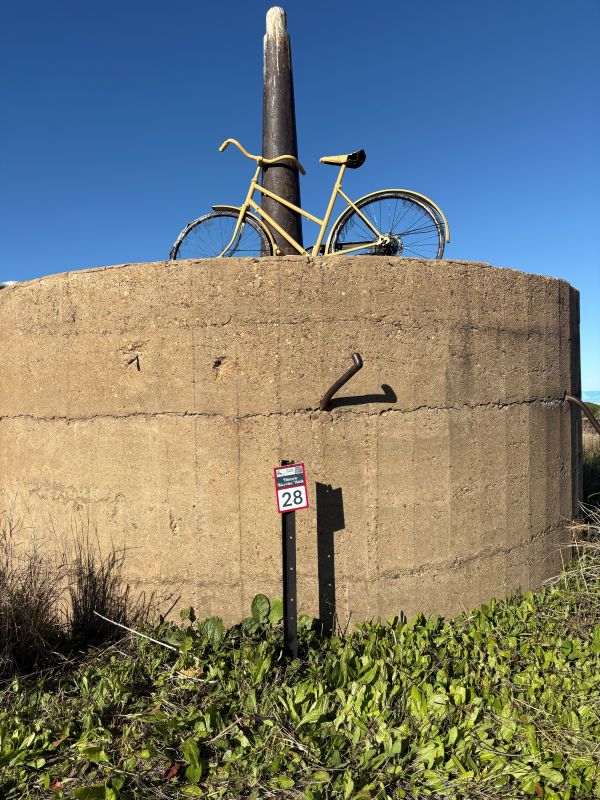
The railway water tower soon became one of the most important structures within the station precinct. Towering above the surrounding plains, it supplied thousands of litres of water to the thirsty steam locomotives that paused at Burren Junction before continuing their journey across north-western New South Wales. Beside it stood the railway crane, used to load heavy freight onto waiting wagons. Today, while the station buildings, platform and refreshment rooms have disappeared, the water tower and the concrete base of the loading crane remain as the most visible reminders of Burren Junction's railway heritage. The water tower has become an enduring symbol of the town's past, its distinctive silhouette forming the backdrop to countless photographs, spectacular sunsets and treasured community memories. More than 120 years after the first trains arrived, it still stands as a quiet sentinel overlooking the place where the railway first shaped Burren Junction's future.
By 1905, Burren Junction boasted one of the finest railway refreshment rooms in New South Wales. Managed initially by Miss Kate Bolger, the refreshment rooms became famous among travellers. More than simply a place to eat, they became a social centre for the district, hosting dances and providing accommodation for passengers and railway workers.
Kate Bolger left the refreshment rooms in 1908 after marrying Peter Radford, and management later passed to Arthur Mould. For decades, the refreshment rooms remained an important meeting place within the station precinct.
The railway opened up the district to far more than passenger travel. It became the lifeline for the region’s pastoral industry. Following the arrival of the railway, Burren Junction developed into one of north-western New South Wales’ major sheep districts. Thousands of sheep were transported through the station each year, while wool from surrounding properties was loaded onto trains bound for markets and ports. The importance of the sheep industry is reflected in the large number of stock and station agencies that once operated throughout the town.
As farming practices changed after the Second World War, grain production gradually became more prominent. Wheat, barley and later cotton replaced much of the earlier wool traffic, but the railway continued to play the same vital role—moving the district’s produce efficiently to market.
By the mid-1900s, Burren Junction was well connected. Daily passenger and mail trains linked the town with Sydney, carrying passengers, mail, livestock, wool and produce across the state. The station platform bustled with activity as trains arrived and departed throughout the day.
Contemporary reports paint a vivid picture of the station’s importance. In 1906, the Namoi Echo described the platform as presenting “a very busy aspect,” confidently predicting Burren Junction would become “a thriving little centre.” Their prediction proved remarkably accurate.
Like many early railway towns, Burren Junction also experienced its share of dramatic events. In December 1906, a horse-drawn buggy was struck at a nearby railway crossing, overturning the vehicle and seriously injuring its occupants. Such incidents remind us of the hazards associated with early transport.
Several station masters oversaw operations throughout the railway’s busiest years. Among the earliest was William Thorn, whose name appears in records from 1903. Others included W. H. Rochester, George Milchrist, F. March, and later Mr McRae, who was active in organising community First Aid classes during the late 1930s.
The railway precinct also provided other essential services. In 1904, the Post Office operated from the refreshment rooms, with the railway officer serving as Postmaster. A telegraph office followed in 1905 before postal services were eventually relocated into the township.
As technology advanced, steam locomotives gave way to diesel engines during the 1960s. Passenger services gradually declined, the refreshment rooms eventually closed, and the familiar sounds of steam disappeared from Burren Junction.
Regular passenger services ceased, and the branch line was officially closed to goods and passenger traffic on 10 December 1979. Bill Dillon is remembered as the last proprietor of the railway refreshment rooms, while Gordon Harvey served as the last Station Master.
Although the original station buildings and refreshment rooms have since disappeared, the railway continues to influence Burren Junction today.
The nearby GrainCorp silos remain one of the district’s major grain receival sites, and during harvest the area around the former railway station becomes one of the busiest transport hubs in the region. Hundreds of trucks arrive from surrounding farms delivering wheat and other grain before it continues its journey to domestic and export markets.
Recognising the continuing importance of this transport corridor, the Burren Junction Progress Association has proposed a dedicated heavy vehicle rest area adjacent to the former railway precinct. The proposal aims to improve road safety, provide facilities for truck drivers, and acknowledge the ongoing role this site plays in moving the district’s agricultural produce.
While steam locomotives have been replaced by modern freight trains and road trains, the railway precinct remains the transport heart of Burren Junction. More than 120 years after the first train arrived, it continues to connect the district with the rest of Australia.
Standing here today, with the historic water tower rising above the old railway precinct, it is easy to imagine the whistle of the steam engines, passengers hurrying to board, bags of wool and grain waiting on the platform, and the lively atmosphere that once filled the station. The tower remains a powerful reminder of an era when steam, rail and water sustained the town, while the passing freight trains continue the transport story that began here more than 120 years ago. The railway not only built Burren Junction—it continues to shape its future.
Here is a link to the story of the Fettlers that worked on the railway in the 1960's in Burren and surrounding area
Photos
Steam locomotives at Burren Junction Railway Station during the station’s busiest years. Locomotives 1201 and 2706 at Burren Junction, NSW
Date - 3 June 1947. Photographer - John Buckland
A steam locomotive taking water before continuing its journey across north-western New South Wales. Southbound special stock train from Walgett, hauled by locomotive 2702. Burren Junction, NSW. Date - 3 June 1947. Photogrpaher - John Buckland
The diesel railcar at Burren Junction Railway Station, marking the transition from steam to diesel services.
Inside the famous Burren Junction Railway Refreshment Rooms, once regarded as among the finest in New South Wales.
The North-West Mail waiting at Burren Junction in June 1947 before continuing to Pokataroo.
Goods shed and loading platform used for freight handling.
Loading bagged grain from truck to rail wagon before the introduction of bulk grain handling.
The station building and refreshment rooms during their later years.
Two steam locomotives passing at Burren Junction, highlighting the importance of the station as a railway junction.
Locomotive 1201 pulling out of Pokataroo, hauling a southbound special stock train. Date - 3 June 1947. Photographer - John Buckland